Vinegar quality is shaped long before a finished bottle reaches the filling line. Fermentation conditions, filtration choices, heat treatment, and packaging operations all influence the final product. A capable vinegar producer should be able to explain how these stages connect and how deviations are handled.
This level of transparency matters even more when a buyer requests private-label or OEM production, since customization introduces questions about formula ownership, process responsibility, and approval rights. JOLION Foods provides a useful example of a supplier whose quality management and customization services can be examined through these practical considerations.
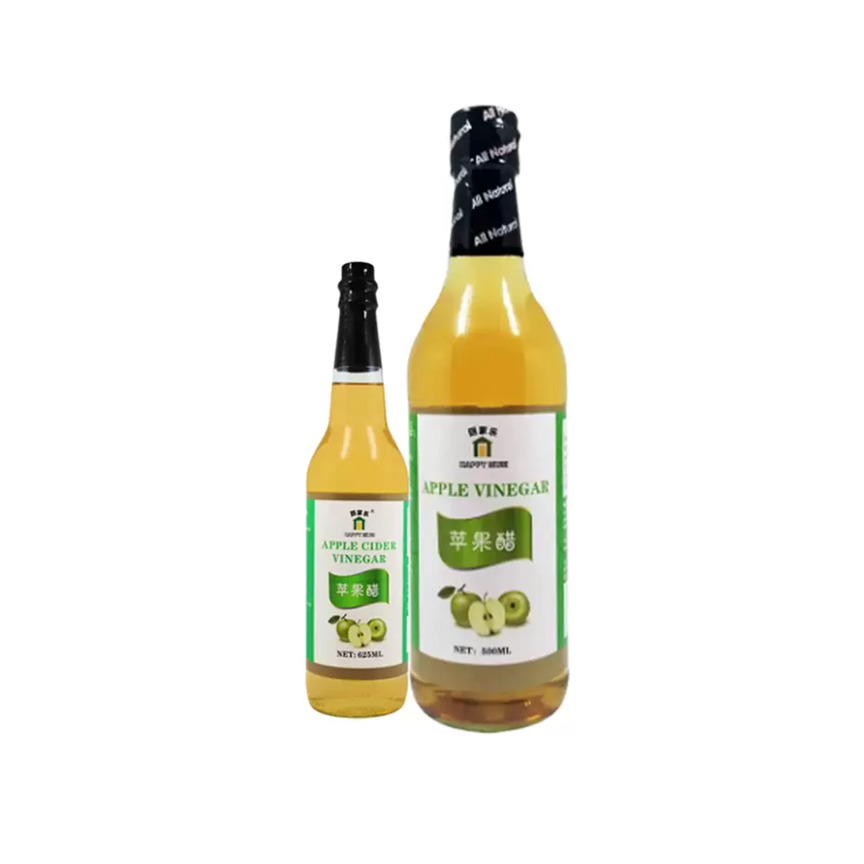
Process Controls Must Connect Every Production Stage
Finished-product testing offers only a snapshot of quality. Acidity, color, clarity, soluble solids, and microbiological results describe the condition of a particular batch, but they do not reveal how that batch was produced. A useful quality assessment should trace these results back to the conditions that shaped them. Fermentation time, temperature, raw-material preparation, and the handling of intermediate products can all affect the final vinegar profile.
Filtration and heat treatment deserve separate attention. Filtration may influence clarity, suspended particles, and product appearance, while thermal processing can affect microbial stability and sensory characteristics. The appropriate settings depend on the vinegar type, formulation, and packaging method. Buyers should ask which parameters are monitored, how frequently records are reviewed, and what happens when a reading falls outside its approved range. A vinegar producer that can explain these relationships offers more useful evidence than one that supplies a finished-product specification alone.
JOLION Foods emphasizes quality control as part of its production approach. For buyers, the next step is to translate that general commitment into verifiable requirements. Process records, batch identification, inspection procedures, and deviation reports can help establish whether stated controls are applied consistently. A certificate of analysis remains important, but it should be considered alongside production documentation and the supplier’s response to nonconforming results.
Private Label and OEM Require Different Levels of Buyer Authority
Private-label production often starts with an existing manufacturer formula. The buyer may customize the brand identity, label design, bottle format, and other presentation details, while the producer retains responsibility for the established formulation and process. This arrangement can simplify product development, particularly when the target market already accepts the available flavor profile. However, packaging customization should not be mistaken for control over the recipe itself.
OEM arrangements may involve a different division of responsibility. A buyer could provide a target acidity, ingredient specification, flavor direction, or other technical requirements. The manufacturer then assesses whether those requirements can be achieved through its production process. For vinegar, even modest changes to the fermentation base or blending ratio may affect aroma, sharpness, color, and aftertaste. A buyer seeking a distinct market identity should clarify which formula elements can be adjusted and who approves the final specification.
Contract language should address ownership before development begins. Relevant points include whether a formula belongs to the buyer or manufacturer, whether either party may reuse it, how confidential technical information is protected, and whether exclusivity applies to a particular market or customer group. These questions matter because a private-label agreement does not automatically grant ownership of an existing recipe.
Sample Approval Needs a Formal Route Into Mass Production
A development sample is useful only when both parties understand what it represents. One sample may reflect a specific raw-material batch, fermentation condition, or adjustment made during testing. If the approved reference is not documented, later comparisons can become subjective. Buyers should retain an agreed sample and record measurable attributes such as acidity, color, aroma, flavor, and appearance. Sensory descriptions should be specific enough for different evaluators to apply them consistently.
The transition from sample to commercial production also requires an approval sequence. A practical arrangement may include laboratory samples, a pilot batch, and a pre-shipment reference, with each stage reviewed against agreed criteria. The buyer should know which version is approved for production and whether any adjustments made after sampling require renewed authorization. This process reduces the risk of a commercial batch differing from the version that received initial approval.
Raw materials and manufacturing conditions can change over time. A supplier may need to adjust a source, processing parameter, or production method because of availability or operational requirements. Such changes are not automatically unacceptable, but their possible effect on the finished vinegar should be assessed before implementation.
Documentation Makes Quality Responsibilities Traceable
Quality documentation should do more than demonstrate that inspections have taken place. Each record needs a clear connection to a product, batch, production date, and responsible department. Buyers can request a document list covering raw-material checks, in-process monitoring, finished-product testing, packaging inspection, and nonconformity handling. The exact records will vary by product and market, but their purpose is consistent: to make production decisions traceable.
A useful review also considers how the supplier handles complaints and corrective actions. If a batch falls outside an agreed specification, the buyer should be able to understand how the issue was investigated, whether affected stock was identified, and what action followed. Corrective-action records can reveal whether a problem was treated as an isolated event or whether the underlying process was reviewed. This information is especially valuable in long-term supply arrangements, where recurring issues may affect inventory planning and customer confidence.
Conclusion
Reliable vinegar sourcing depends on more than a specification sheet or an attractive development sample. Buyers need visibility into the process behind each batch, a clear understanding of formula rights, and a documented route for approving changes before they affect commercial production. These measures turn quality expectations into responsibilities that both parties can examine and follow.
JOLION Foods provides a starting point for evaluating these capabilities, while each buyer should confirm the applicable controls, customization scope, and release criteria in the final agreement. A well-defined partnership gives product development room to evolve without allowing quality standards or decision-making responsibilities to become unclear.