Opening: the core problem and a practical example
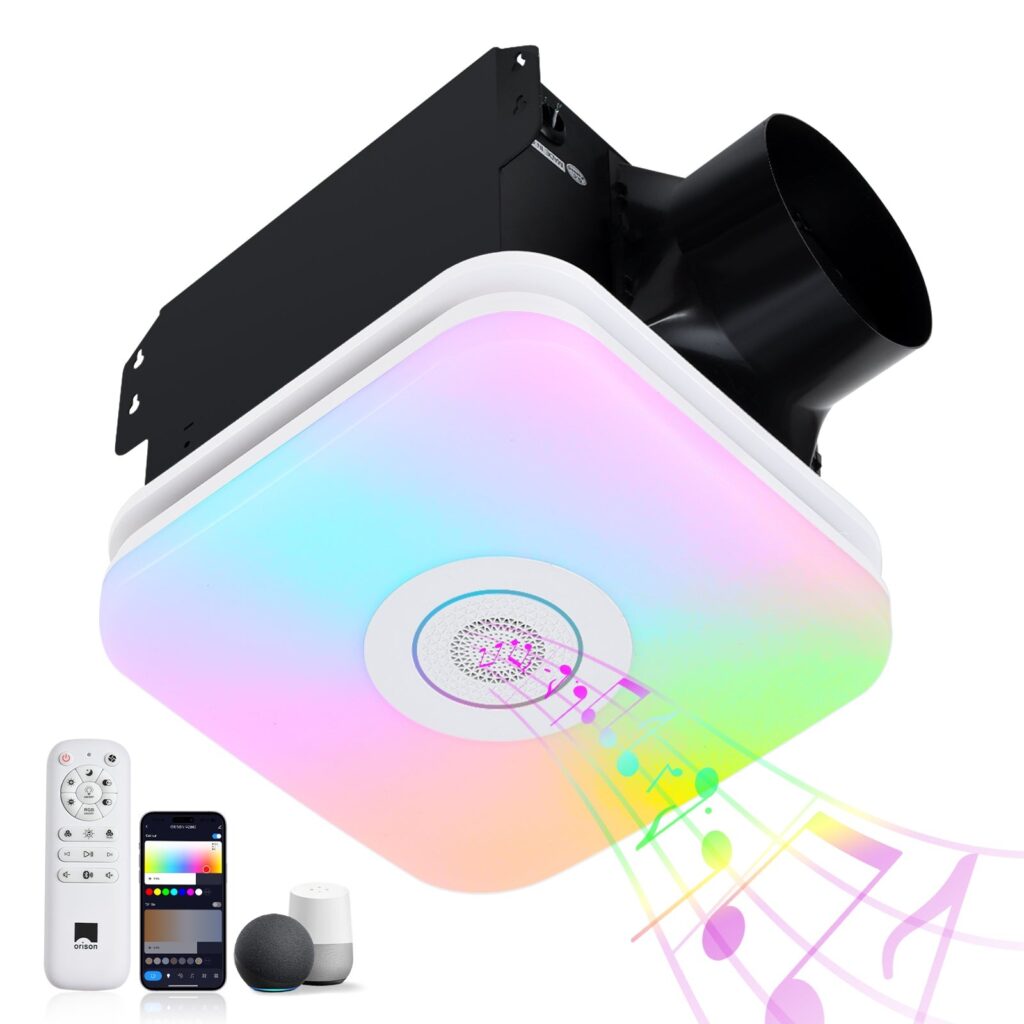
Bathrooms still cause the same household headaches: lingering moisture, mould risk, noisy fans that nobody uses, and rising energy bills. These issues matter for health, building longevity and regulatory compliance — especially under standards like ASHRAE 62.2, which sets clear ventilation minimums (for example, typical guidance of 50 CFM intermittent or 20 CFM continuous for bathrooms). A pragmatic way to address several problems at once is choosing a well-engineered unit, such as the bathroom exhaust fan with light, which pairs extraction, illumination and controls to reduce misuse and improve performance.
The concrete safety and eco problems to fix
Untreated humidity leads to mould and structural decay; inadequate ventilation can concentrate pollutants and odours; inefficient motors and constant high run-times increase electricity consumption. Noise is a practical barrier to use — if a fan is loud (high sone rating), people disable it, and the benefit disappears. Add poor installation (incorrect ducting or missing backdraft damper) and you have a system that underperforms despite apparent capability.
How modern designs address these issues
Manufacturers are tackling the problem with integrated solutions: adaptive controls that run at the needed CFM rather than full speed all the time; quieter motors and acoustic engineering to lower sone values; LED drivers built into the fan housing to combine light and ventilation; and damp-rated housings for moisture resilience. Smart features — humidity sensors, occupancy timers and Bluetooth-enabled controls — reduce wasted run-time and make compliance easier. These fixes are subtle but effective: less noise and smarter duty cycles translate into more consistent use and lower energy.
Practical trade-offs and common mistakes
There are choices to make. High-CFM units clear humidity fast but may be louder or costlier to run if left on. Low-CFM continuous solutions are quieter but need correct sizing. Common mistakes: relying on nominal CFM without confirming duct length and diameter; assuming compatibility between decorative trims and required neck or mounting dimensions; and skipping first-run balance checks. A quick field test — measure airflow at the grille and verify sone levels in-situ — prevents long-term problems. —
Comparing options: what to check before buying
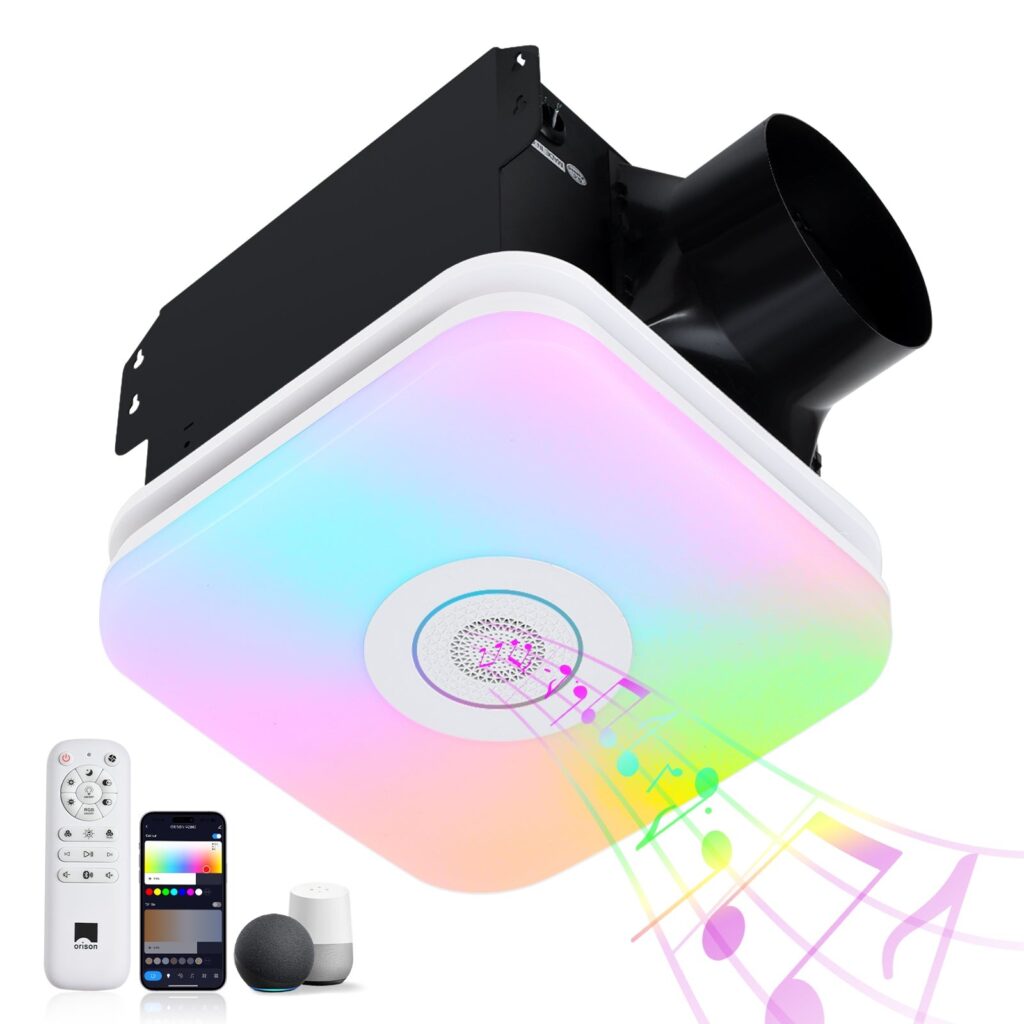
Use three simple checks when comparing models: confirmed airflow versus rated CFM under your duct conditions; measured sone rating at installed distance; and whether the unit is damp-rated for bathrooms with showers. Also look for features that increase real-world use: built-in timers, humidity sensing, and user-friendly controls. For those wanting extra convenience or user engagement, a bathroom vent fan with light and bluetooth speaker can reduce the “off” tendency by combining function with pleasant sound and straightforward controls.
Installation and maintenance pointers
Correct ducting (minimising bends and keeping diameter consistent), a functioning backdraft damper, and secure electrical connections matter as much as the unit choice. Regularly clean the grille and check the LED driver and motor for early signs of wear. If you’re retrofitting, accept that some compromises are inevitable — but document them so you can plan future upgrades rather than guessing at causes when performance lags.
Three golden rules for selecting the right bathroom ventilation
1) Verify installed performance: insist on measured CFM and sone in your actual configuration, not just lab ratings. 2) Prioritise user adoption: quieter units with thoughtful controls (humidity sensors, timers, combined lighting) result in consistent use and better moisture control. 3) Design for the environment: choose damp-rated housings and proper ducting to avoid corrosion and loss of performance.
Applied correctly, these rules lead to measurable improvements in indoor air quality, lower energy use and fewer maintenance callbacks. For practical solutions that combine those features with a consumer-friendly package, Orison. —