Massage therapy has been practiced for thousands of years across cultures and continents, yet modern misconceptions still cloud our understanding of its true benefits. From outdated beliefs to internet rumors, there are plenty of myths surrounding massage that 오피스타 can prevent people from experiencing its full potential. In this article, we’ll separate fact from fiction and dive into what science actually says about massage therapy.
- Myth: Massage Is just a luxury or Pampering Experience
Many people still associate massage therapy with spas, candles, and soft music—treating it more like a splurge than a legitimate form of healthcare. However, scientific research tells a different story. Studies have shown that massage can reduce chronic pain, support rehabilitation after injury, and improve quality of life in patients with conditions like fibromyalgia or arthritis. Licensed massage therapists are trained professionals who use therapeutic techniques, not just relaxation methods. - Myth: Massage Releases Toxins from the Body
You’ve probably heard the claim that massage “releases toxins” and that you need to drink water after to flush them out. While staying hydrated is always a good idea, there’s no scientific evidence to support the idea that massage helps eliminate toxins. What it does do is stimulate the lymphatic system, improve circulation, and promote the movement of fluids in the body—which can aid in natural detoxification processes, but not in the way the myth suggests. - Myth: Deep Tissue Massage Should always Hurt to be effective
There’s a widespread belief that “no pain, no gain” applies to massage too, especially with deep tissue work. However, pain during massage is not a sign of effectiveness—in fact, it can be a warning signal from your body. Good massage therapy may involve some discomfort when addressing tight or inflamed areas, but it should never be unbearable or harmful. In fact, excessive pressure can lead to bruising or tension rebound, which defeats the purpose. - Myth: Massage Has no Proven Medical Benefits
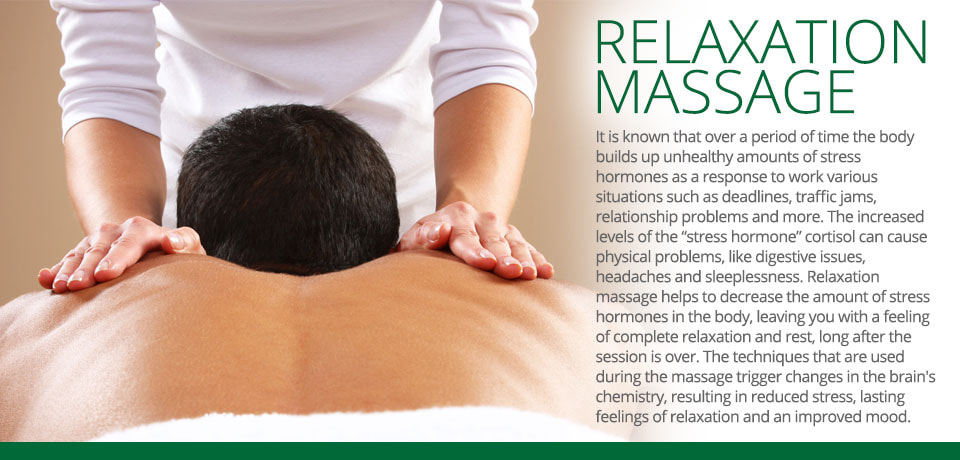
Some skeptics dismiss massage therapy as having little to no clinical value. But multiple peer-reviewed studies have shown that massage can significantly reduce stress hormones, lower blood pressure, and improve immune function. It’s also been found to aid in post-surgical recovery, reduce symptoms of anxiety and depression, and improve sleep quality. Organizations like the American Massage therapy Association (AMTA) cite a growing body of evidence in support of these benefits. - Myth: Massage Is Unsafe for people with Certain Health conditions
While it’s true that some medical conditions require caution, most people—even those with chronic illnesses—can safely benefit from massage when it’s tailored appropriately. Licensed therapists are trained to modify their techniques for individuals with cardiovascular conditions, cancer, or other health issues. In fact, massage is increasingly being used in clinical settings to help manage side effects of chemotherapy, reduce inflammation, and improve quality of life for patients in recovery. - Myth: One Session Is enough to fix Long-Term Issues
People often expect dramatic results after just one massage, but lasting change takes consistency. Chronic pain, poor posture, and tension patterns develop over time, and it typically requires a series of targeted sessions to address them effectively. Think of massage as a regular component of your wellness routine, like exercise or nutrition, rather than a one-time fix. Science supports the idea that regular, ongoing therapy yields the best outcomes.