To choose the right Toyota car key cover, you must match the exact shape, button layout, and year of your original key fob, select a durable material like TPU, silicone, or leather based on your daily environment, and verify that the cover features signal-permeable backings to avoid RFID frequency blocking.
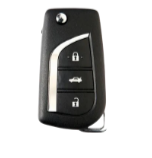
Direct Answer: Quick Selection Framework
When selecting a key fob protector for your vehicle, apply this simple four-step check before purchasing:
- Physical Key Shape & Blade Type: Identify whether you have a 2-button flip key, a 3-button smart key (e.g., Camry, Corolla), or a 4-to-5 button SUV/Truck fob (e.g., RAV4, Highlander, Tacoma, Tundra).
- Material Durability: Opt for Soft TPU (Thermoplastic Polyurethane) for impact resistance and easy cleaning, full-grain leather for classic aesthetics, or flexible silicone for basic grip.
- Signal Transmission Integrity: Ensure the back and side panels are non-metallic to maintain 315 MHz / 433 MHz smart entry signals.
- Emergency Key Access: Choose cases with quick-release latches or thin bottom openings so you can pull out the mechanical valet key when the fob battery dies.
Understanding Toyota Key Fob Variations Across Models
Toyota uses distinct key fob generations across its vehicle lineup. Standardizing on one universal cover is impossible because a 2018 RAV4 key shape differs significantly from a 2024 Tacoma smart key.
Key Fob Generations Overview
| Toyota Key Generation | Typical Models & Years | Primary Features | Compatible Cover Style |
| Turn-Key / Integrated Flip Key | Yaris, Corolla (Older models: 2008–2018) | Exposed mechanical key blade with integrated remote shell | Open-bottom silicone or snap-on hard ABS shell |
| Peggable Smart Key (Trapezoid) | Camry, RAV4, Prius (2015–2022) | Rounded trapezoid shape, 3–4 flush rubber buttons | Precision-molded TPU or leather jacket |
| New Global Smart Key (Modern Edge) | Crown, Grand Highlander, Tacoma, Tundra, Prius (2023–Present) | Angular profile, brushed metallic trim, side panic/hatch buttons | Ultra-thin TPU or custom metallic-accented frame |
Comparing Key Cover Materials: TPU vs. Leather vs. Silicone vs. Metal
The material of your key fob shell directly impacts protection, drop absorption, look, and wireless signal strength.
1. TPU (Thermoplastic Polyurethane)
- Pros: Offers the best balance of drop protection and slim fit. High gloss or matte finishes resist scratches and grease.
- Cons: Cheaper transparent TPU can yellow over prolonged sun exposure.
- Best For: Daily commuters seeking durable, low-maintenance protection.
2. Genuine or Synthetic Leather
- Pros: Premium tactile feel, classic aesthetic, and excellent wear resistance over time.
- Cons: Slightly bulkier; absorbs liquids if exposed to heavy rain or spills.
- Best For: Drivers looking for an executive appearance that pairs well with luxury interiors.
3. Food-Grade Silicone
- Pros: Highly affordable, easy to wash, and provides maximum hand grip.
- Cons: Tends to attract dust and pocket lint; can stretch out after extended use.
- Best For: Budget-conscious owners, outdoors enthusiasts, and severe environment use.
4. Metal Alloys & Carbon Fiber Shells
- Pros: Maximum crash protection against severe impacts and crushing forces.
- Cons: Zinc alloy and metal casings can act as a Faraday cage, attenuating radio signal strength if not properly vented with rubber/plastic cutouts.
- Best For: Harsh job sites provided signal cutouts are engineered into the frame.
How to Prevent Key Fob Signal Loss & Connectivity Issues
Modern Toyota vehicles rely on Smart Key System transponders operating at radio frequencies to enable push-button start and passive keyless entry (PKE). A poorly designed cover can weaken signal output.
Signal Considerations
- Avoid Fully Enclosed Metal Cases: Metal attenuates RF signal power. If you prefer a metal or zinc alloy exterior frame, ensure the front button panel and back emblem area use non-conductive clear TPU or leather.
- Check Distance Tolerance: Test your key fob lock and unlock range immediately after fitting a new cover. If range drops significantly, switch to a soft TPU or leather alternative.
- Valet Key Accessibility: In emergencies where your smart key battery dies, you must access the mechanical valet key hidden inside the fob. Ensure your Toyota car key cover allows access to the release toggle without requiring unscrewing tiny hardware.
Step-by-Step Installation & Maintenance
Installing and maintaining your protective cover takes minimal effort:
- Clean the Original Fob: Wipe down the key fob body with an isopropyl alcohol wipe to remove oils and dirt.
- Slide or Snap Into Place: For TPU and silicone, stretch the cover gently over the top corners first. For two-piece snap covers, line up the front and back shells and press firm along the perimeter until you hear a uniform click.
- Attach the Keychain: Loop the provided heavy-duty carabiner or leather strap through the factory lanyard slot.
- Periodic Maintenance: Remove silicone or TPU covers every six months to clean out accumulated dust and skin oils that might gather inside the housing.
Does a key fob cover block the signal on a Toyota?
No, TPU, silicone, and leather key fob covers do not block radio frequency signals. However, fully enclosed thick metal or zinc alloy cases can degrade signal range if they lack adequate plastic cutouts.
Are all Toyota key fobs the same size?
No. Toyota key fobs vary widely across model lines and production years. A 3-button sedan key fob differs in size, curvature, and button placement from a 4-button truck or SUV smart fob.
How do I know which key fob cover fits my Toyota?
To confirm fitment, compare the shape of your physical key fob and the layout of its buttons directly against the product compatibility chart, rather than relying only on model year.
Can a key fob cover protect against water damage?
Silicone and sealed TPU covers provide water resistance against light rain, splashes, and spills, but standard covers are not submersion-proof.
Is TPU better than silicone for key covers?
Yes, TPU generally offers superior durability, better impact resistance, and a precise fit compared to silicone, which can stretch out and attract dust over time.
Frequently Asked Questions (FAQs)
How do I access the mechanical emergency key with a cover on?
Most quality TPU and leather covers leave the side key release latch exposed or feature a quick-release bottom section, allowing you to slide out the valet key without removing the entire cover.
Will a key fob cover prevent accidental button presses in my pocket?
Yes, raised button bezels and rigid TPU frames help prevent false triggers like setting off the panic alarm or popping the trunk in your pocket.
How do I clean a dirty TPU or silicone Toyota car key cover?
Remove the cover from your key fob, wash it under warm running water with mild dish soap, dry it thoroughly with a microfiber towel, and reinstall it once completely dry.
What is the best material if I regularly drop my keys on concrete?
Thermoplastic Polyurethane (TPU) or a combination of an inner silicone liner with an outer hard ABS/Alloy shell offers the best shock absorption against concrete drops.
Does installing a key fob cover void my Toyota factory warranty?
No. Key fob covers are external cosmetic accessories that do not alter internal electronics or void vehicle warranties.