Fresh aroma and visual clarity can influence the way diners perceive a soy-based seasoning before tasting it. For kitchens, restaurants, and food manufacturers, these characteristics matter because light soy sauce often serves as both a flavoring agent and a finishing component.
A suitable soy sauce supplier needs to consider how fermentation, dilution, heating, and ingredient pairing affect the final sensory result. JOLION Foods provides Japanese-style seasoning products while the broader principles of light soy sauce formulation offer useful guidance for commercial food applications.
Fermentation and Aroma Development
Fermentation transforms soybean and wheat components through enzymatic and microbial activity, producing amino acids, peptides, and volatile compounds that contribute to savory depth. The resulting aroma is not simply determined by the raw materials; fermentation duration, temperature, microbial conditions, and salt concentration can all influence the final sensory character.
Light soy sauce is generally valued for a relatively clear color and pronounced savory aroma rather than the heavier appearance associated with darker varieties. This makes it useful when a cook wants to add flavor without significantly changing the visual character of a dish.
Aroma perception also changes with temperature. Warm foods release volatile compounds more readily, while chilled preparations can present a subtler aromatic profile. Such differences are important when evaluating a seasoning across soups, seafood, salads, or cooked dishes.
Color and Visual Food Quality
Color plays an interesting role in food perception because diners often form expectations before tasting. A lighter reddish-brown seasoning can provide seasoning depth while allowing the natural appearance of fish, vegetables, noodles, or rice to remain visible.
The amount of seasoning used can influence the final appearance as much as the sauce itself. Excessive application may darken delicate ingredients, while measured use can provide a more subtle coating. This makes dispensing and recipe formulation relevant considerations for professional kitchens.
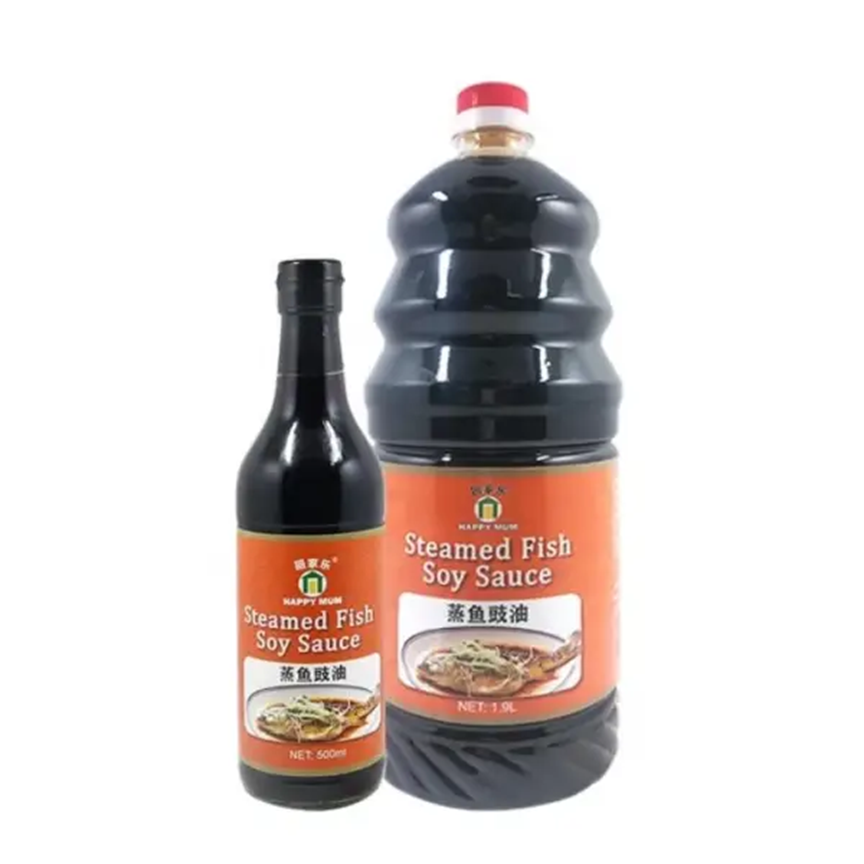
The supplied specification describes a 1.9L steamed-fish soy sauce format under the Happy Mum brand. It is characterized as a high-quality light soy sauce intended for soups, meat, fish dishes, salads, pasta, and rice, with emphasis on fresh color and aroma. The larger bottle format is particularly relevant to foodservice environments where seasoning is used repeatedly.
Matching Seasoning With Different Foods
Fish presents a useful example of why seasoning intensity must be considered alongside the ingredient itself. Delicate white fish can be overwhelmed by excessive saltiness, while richer fish may accommodate stronger savory notes. The cooking method further changes the relationship between the sauce and the protein.
Soups create another situation because the seasoning becomes distributed throughout a larger volume of liquid. Salt concentration, aroma, and umami compounds are perceived differently after dilution, so recipe developers need to assess the finished dish rather than the condiment in isolation.
Cold dishes and salads introduce yet another sensory environment. Without cooking heat, aroma release may be more restrained, while acidic dressings or oils can alter the perception of salt and umami. A flexible soy sauce supplier can support different applications by providing clear information about flavor characteristics and intended uses.
Large-Format Packaging in Foodservice
Bottle capacity influences purchasing, storage, and daily kitchen routines. A larger container can reduce the frequency of replacement in commercial kitchens, particularly where soy seasoning is incorporated into multiple recipes throughout the day.
Storage conditions deserve attention once a container enters regular use. Repeated opening can increase exposure to air, while unsuitable temperatures may affect sensory properties over time. Foodservice teams should follow the supplier’s storage recommendations and avoid treating package size as a substitute for proper handling.
Container design also interacts with workflow. Kitchens may transfer seasoning into smaller dispensing vessels, use measured portions during recipe preparation, or incorporate it directly into sauces and marinades. JOLION Foods supplies condiment products for commercial applications, making packaging format one consideration alongside formulation and culinary use.
Controlling Flavor in Recipe Development
Recipe testing should account for the amount of seasoning added at each stage. Adding soy sauce early during cooking may allow its flavor to integrate into the dish, whereas adding it closer to serving can produce a more noticeable aroma and surface flavor.
Other ingredients can alter perceived intensity. Sugar may soften saltiness, acidic ingredients can sharpen certain flavor notes, and fats can change how aroma compounds are released. Because of these interactions, a seasoning specification cannot always predict the exact result in a finished recipe.
Commercial kitchens can benefit from standardized measurements when consistency matters. Recording quantities by weight or volume helps maintain similar flavor across batches, especially when the same seasoning is used for soups, seafood, rice dishes, and prepared sauces. A knowledgeable soy sauce supplier can also provide product information that helps recipe developers determine suitable dosage ranges.
Conclusion
Light soy sauce demonstrates how seasoning quality extends beyond salt content alone. Fermentation shapes aroma, color influences visual expectations, food temperature changes sensory perception, and recipe ingredients determine how the condiment ultimately performs. The 1.9L format described for steamed-fish applications also shows how packaging can be adapted to the needs of professional kitchens while supporting broader culinary uses.
JOLION Foods offers soy-based seasoning solutions for commercial markets, with product formats suited to different food applications. When evaluating a soy sauce supplier, buyers can gain more useful insight by examining sensory characteristics, intended applications, packaging, and practical recipe performance together.