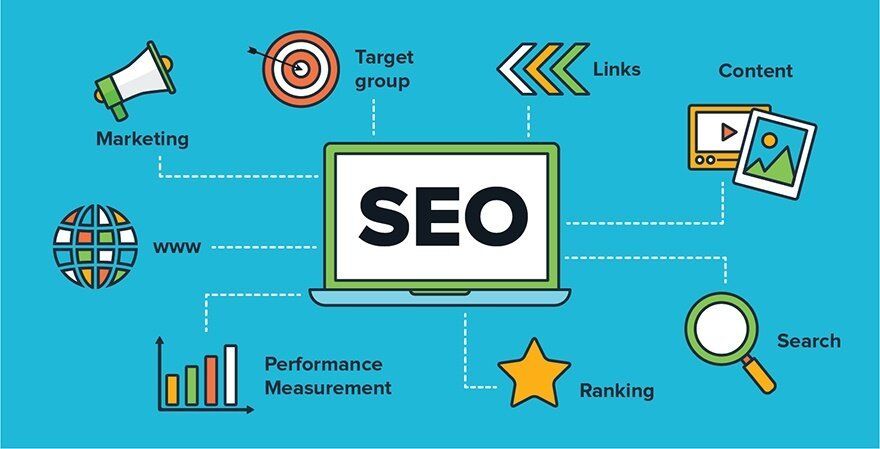
Search engine optimization (SEO) is often divided into two major categories: on-page and off-page. While on-page SEO involves optimizing elements directly on your website—such as keywords, meta tags, internal linking, and content quality—off-page SEO focuses on factors outside your website that influence search rankings. These include offpage seo backlinks, brand mentions, and social signals. Both are essential and work together to help a website perform well in search engine results pages (SERPs). Focusing on just one side can leave your SEO strategy incomplete and less effective.
- Building Authority and Trust with Off-Page SEO
One of the main reasons off-page SEO is critical is that it helps build your website’s domain authority and trustworthiness in the eyes of search engines like google. When reputable websites link to yours, it’s like getting a vote of confidence. These backlinks act as endorsements, signaling to search engines that your content is valuable and credible. While you can optimize your own site as much as you want, external validation is often what separates first-page results from the rest. Google wants to serve trustworthy and authoritative content to users, and off-page SEO plays a huge role in that. - User Behavior and Off-Page Influence
Off-page SEO doesn’t just affect how search engines view your site—it also impacts how users perceive your brand. Positive online reviews, brand mentions on popular blogs or social platforms, and influencer shout-outs all contribute to your online reputation. When users see your brand being talked about across the web, it builds trust, encourages clicks, and improves engagement rates. These indirect signals are not only good for traffic but also help boost user experience, which is a growing factor in SEO performance. - Off-Page SEO Strengthens Content Reach and Visibility
Great content is only effective if people see it. Off-page SEO helps amplify the reach of your content by putting it in front of new audiences. Whether it’s through guest posting, link sharing, podcast appearances, or social media engagement, off-page activities act as promotional channels. This expanded visibility leads to more traffic, more backlinks, and ultimately, higher rankings. On-page SEO gets your content ready for search engines, but off-page SEO spreads the word and builds momentum that drives long-term growth. - A Balanced Approach Yields the best Results
Relying solely on on-page SEO or off-page SEO will limit your potential. They are two sides of the same coin, and successful websites know how to balance both effectively. On-page SEO ensures your website is accessible, fast, and well-structured for both users and search engines. Off-page SEO brings the outside validation needed to rank competitively. If you want to dominate the Serps, investing equal effort in both areas is essential. Remember: high-quality content may be king, but off-page SEO is what makes that king known across the kingdom.